You know that rich, savoury flavour that lingers on your tongue, makes your mouth water, and somehow turns even the simplest dish into something crave-worthy? That’s umami – the fifth basic taste, and arguably the most misunderstood.
We already know sweet, salty, sour, and bitter – but umami rounds them out. It’s subtle but powerful, and once you start noticing it, you’ll spot it in everything from your favourite bolognese to a perfectly seared steak. If you’ve ever had a slow-cooked broth, a slice of aged cheese, or a bite of quality meat Cape Town locals rave about, chances are you’ve already experienced the magic of umami – whether you realised it or not.
What exactly is umami?
Umami (a Japanese word meaning “pleasant savoury taste”) was first officially identified in 1908 by chemist Kikunae Ikeda, who linked the distinct taste to glutamate – a naturally occurring amino acid. But while the name is modern, the taste is anything but new.
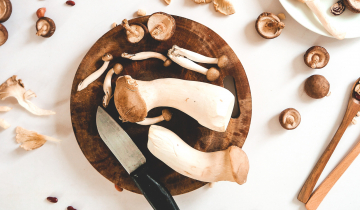
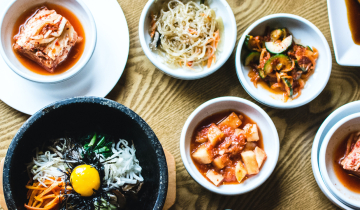
According to the Umami Information Center, it’s a flavour enhancer found in foods rich in glutamate, inosinate, or guanylate – which means it’s naturally present in meat, fish, dairy, mushrooms, tomatoes, and fermented products. Ajinomoto, the Japanese food giant, describes it best: umami spreads across the tongue, lingers longer than other tastes, and delivers that unmistakable mouthwatering sensation.
In short: umami makes food taste more like itself.
Why Do We Crave It?
Here’s where things get interesting. Our bodies are biologically programmed to crave umami. It signals protein – an essential building block – and encourages our systems to gear up for digestion. That’s why foods high in umami often feel deeply satisfying, even when we can’t quite explain why.
Umami also interacts beautifully with other tastes, boosting depth and complexity. It can round out harsh edges (think of how miso softens acidity in a dressing) or turn a good broth into something deeply comforting. It’s not just flavour – it’s experience.
How to Cook with Umami (Without Overthinking It)
You don’t need a lab coat to make the most of umami in your kitchen – just a well-stocked pantry and a few smart techniques.
Pantry powerhouses: Keep staples like tomato paste, soy sauce, fish sauce, Marmite, Parmesan, anchovies, and miso on hand. A teaspoon here and there can transform a stew, sauce, or soup.
Techniques that dial it up:
• Roast your veggies – especially tomatoes and mushrooms.
• Caramelise onions slowly to unlock their natural glutamates.
• Reduce sauces to concentrate flavour.
• Ferment or age ingredients – cured meats and aged cheeses are umami gold.
Meaty secrets: Since meat is a natural umami magnet, it’s all about unlocking that potential. Opt for cuts with good marbling, give your steak a proper rest, and don’t rush the slow cook. If you’re sourcing quality meat Cape Town chefs would be proud to plate, you’re already halfway to an umami-packed dish. Cured, smoked, or dry-aged? Even better. The more time it’s had to develop, the deeper the flavour.
Final Bite
Umami might have taken the long road to recognition, but it’s been at the heart of delicious food for centuries – subtly shaping what we crave and why we keep coming back for more.
Whether you’re simmering a broth, searing a steak, or reaching for that umami-rich splash of soy, you’re not just cooking – you’re dialling up the taste.
And when you’re ready to make your next umami-rich masterpiece, remember to start with the best meat you can get your hands on. That’s where we come in. N1, leading Cape Town meat wholesalers – because good taste starts with great ingredients.