If it’s not sweet, sour, bitter or salty; it’s got to be umami. According to Merriam-Webster online, umami is the Japanese word for ‘a taste sensation that is meaty or savory and is produced by several amino acids and nucleotides (as glutamate and aspartate)’. You’d be forgiven for not automatically knowing what it is – a relative new-comer to the original group of four basic tastes (salt was discovered 5000 years ago after all), umami was only officially discovered in Tokyo in 1908; and only recently made its way into Western culinary dialect.
So what exactly is this fifth basic taste? According to the Umami Information Center, established in Japan in 1982, it is a ‘pleasant savoury taste imparted by glutamate, a type of amino acid, and ribonucleotides, including inosinate and guanylate, which occur naturally in many foods including meat, fish, vegetables and dairy products. As the taste of umami itself is subtle and blends well with other tastes to expand and round out flavors, most people don't recognize umami when they encounter it, but it plays an important role making food taste delicious.’
While taste receptors are located on the tongue, recent studies have shown that umami receptors are also found in the stomach. As food enters the stomach, and glutamate is detected, the vagus nerve transmits messages to the brain which in turn sends messages back to the stomach that triggers the digestion and absorption of protein.
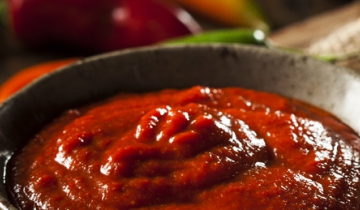
Umami is used in many forms across the world – in the East it is mainly found in beans, grains, shitake mushrooms and various seafood products; in the West the most well-known form is the tomato. Some easy to recognise examples of umami include soya sauce and miso; anchovy paste, Bovril and sauerkraut; along with the aforementioned humble tomato which is used as a base for so many dishes. Not only does it enhance the taste of our food, but it may also play a greater role in our future health, because studies show that umami may successfully be used to replace certain high-sodium content foods thereby reducing potential hypertension risks and other health issues that are salt-excess related.
So there you have it, umami – the fifth basic taste, although hardly basic in terms of its structure and importance. For more on this elusive taste, be sure to visit the Umami Information Center or for gourmet burger inspiration, check out Umami Burger – now that you’re well and truly hungry, and craving a delicious burger, call N1 immediately to place your burger order.