While we are all familiar with the macronutrients: carbohydrate, protein and fat; and the role each plays in helping our bodies function and perform optimally; less is known about probiotics and the role it plays in optimising our health. Already established as an aid for our digestive systems (doctors rarely prescribe antibiotics, known to cause upset stomachs, without also prescribing probiotics), ongoing research into probiotics is constantly identifying new value and health benefits.
For more on the wonder of probiotics we turn to Authority Nutrition, an online source of articles about health and nutrition, all based on scientific evidence. To understand probiotics better we need to start at the beginning: bacteria. While our default reaction to that word is normally a negative one, we tend to forget that most bacteria are quite harmless and in fact very necessary for optimal functioning. Huge amounts of the right bacteria exist in our bodies every day, and the vast majority of them live in our gut. Along with yeasts and viruses, bacteria form a system called the gut flora. Many scientists actually refer to gut flora as the forgotten organ, and having the right gut bacteria is linked to many health benefits including better digestion, weight loss, and a stronger immune system – in short its presence helps our bodies fight off many diseases. Unfortunately gut flora is also highly sensitive and easily altered; and studies show that when out of balance it can lead to many diseases including amongst others ‘obesity, type 2 diabetes, metabolic syndrome, heart disease, colorectal cancer, Alzheimer’s and depression’.
The importance then of caring for our gut flora cannot be underestimated – enter probiotics. Probiotics are certain foods or supplements that contain beneficial bacteria, officially defined as ‘live microorganisms that, when administered in adequate amounts, confer a health benefit on the host’. There are many different groups of probiotic bacteria – each group is comprised of multiple species, and each species of multiple strains. While supplements can play an important role in maintaining a healthy and happy gut, as with many other forms of supplementation, food itself is often a better source.
Here are three easily found and palatable foods that can help boost your probiotic intake – for the full list, have a read through Authority Nutrition’s ‘11 Probiotic Foods That Are Super Healthy’.
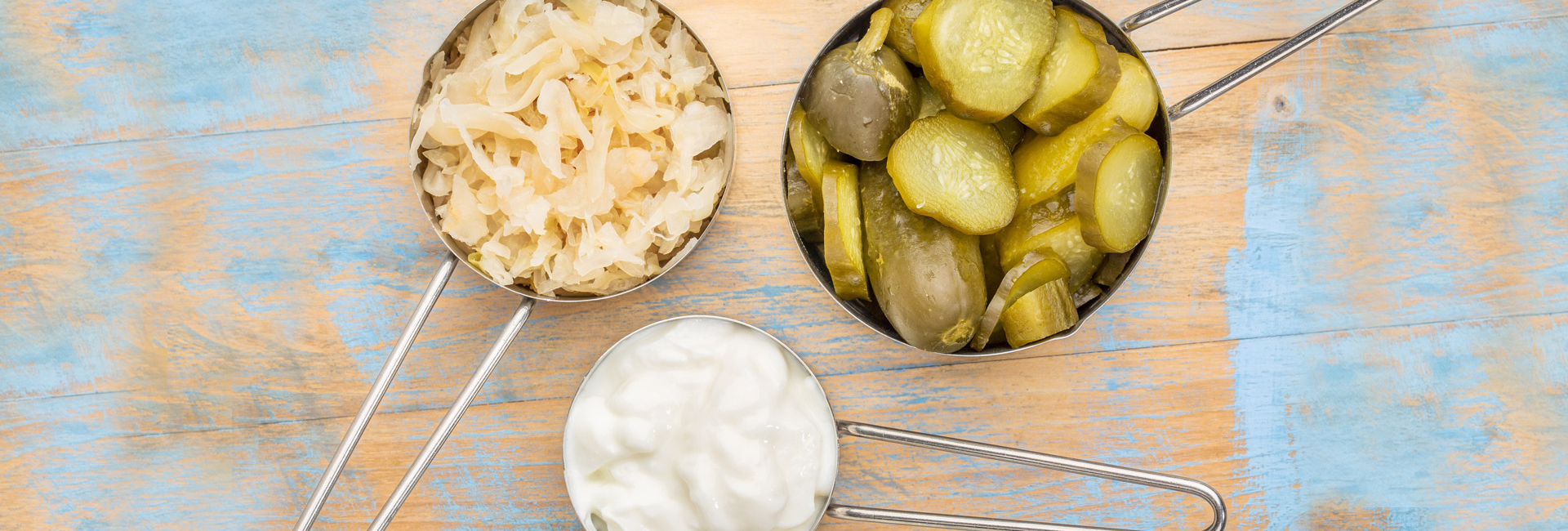
1. Yogurt
Yogurt is a highly nutritious dairy product made from fermented milk. The milk is fermented with friendly bacteria, mainly lactic acid bacteria and bifidobacteria. However, keep in mind that not all yogurt contains live probiotics. In some cases, the live bacteria have been killed during processing. For this reason, make sure to choose yogurt with active or live cultures.
2. Pickles
Pickles (also known as gherkins) are cucumbers that have been pickled in a solution of salt and water. They are left to ferment for some time, using their own naturally present lactic acid bacteria. This process is what makes them sour. It is important to note that pickles made with vinegar do not contain live probiotics [so be sure to check the ingredients list before purchasing. Sauerkraut, finely shredded cabbage fermented by lactic acid bacteria – although not commonly served in South Africa – is another excellent source of probiotics].
3. Some Types of Cheese
Although most types of cheese are fermented, that does not mean that all of them contain probiotics. Therefore, it is important to look for live and active cultures on the food labels. The good bacteria survive the aging process in some cheeses, including Gouda, mozzarella, cheddar and cottage cheese.
Maintaining a happy and healthy gut by regularly consuming these and other healthy probiotic foods can help your body beat systemic inflammation, depression and anxiety; and help lower your cholesterol and blood pressure levels – isn’t nature’s pharmacy amazing?!