There’s a familiar moment in many South African kitchens: onions softening in oil, garlic and ginger added, spices stirred through and allowed to toast. It’s the starting point of a dish that means different things in different parts of the country, but always feels like home.
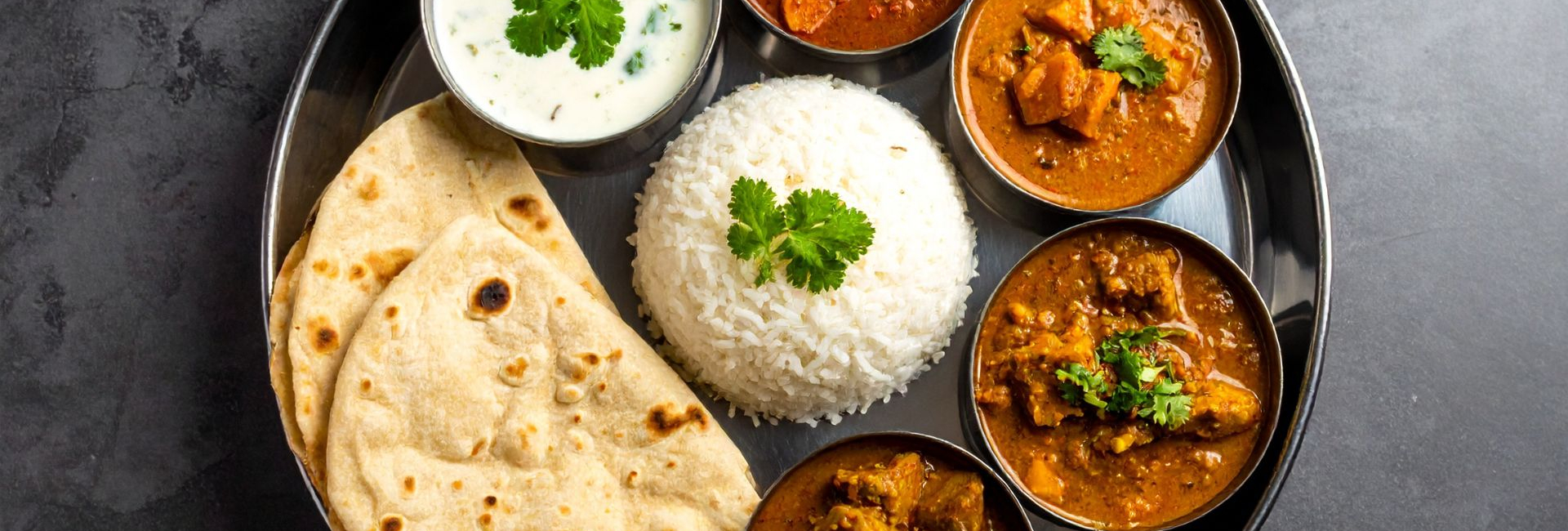
Curry in South Africa isn’t a single recipe. It’s shaped by history and region. In Durban, curry is known for its bold flavour and noticeable heat. Deep red in colour, built on roasted masala, and often made with beef or mutton, it’s the kind of dish that doesn’t hold back. Served with roti or packed into a hollowed-out loaf as bunny chow, it’s practical, filling and unmistakably local.
In many professional kitchens, particularly those serving diverse communities, sourcing the right ingredients is just as important as getting the spice blend right. For operators who require Halaal certified meat, consistency and proper certification aren’t optional extras – they’re essential to maintaining trust with customers.
In the Cape, Cape Malay curries bring a different balance. Still rich in spice, but generally gentler in heat, they lean into warmth and fragrance. Cinnamon, cloves and cardamom often sit alongside turmeric and coriander. The result is layered rather than fiery, with a savoury depth that builds as it cooks.
Different regions approach curry differently, but one thing stays the same: it’s a dish that rewards time.
There’s a reason so many people say curry tastes better the next day. As it rests, the flavours continue to develop. Spices settle and blend more evenly. Heat becomes less sharp and more rounded. What might feel bold on day one often tastes more balanced on day two.
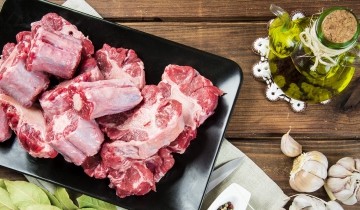
The meat plays an important role here too. Many traditional curry cuts – like beef chuck or lamb shoulder – contain connective tissue that breaks down during slow cooking. Over time, collagen turns into gelatin, giving the sauce body and richness. That’s what creates a curry that feels full and satisfying, rather than thin or watery.
Even in a slow-cooked dish, starting with well-prepared meat matters. Evenly cut pieces cook consistently. Good fat distribution adds flavour without excess grease. Proper trimming ensures the final result feels intentional. Slow cooking is forgiving, but it still benefits from quality ingredients sourced from reliable suppliers, including established Cape Town meat wholesalers who understand the needs of professional kitchens.
Working with experienced wholesalers who can supply consistent cuts and dependable Halaal certified meat helps kitchens maintain both quality and confidence. In dishes like curry, where flavour builds over hours, that consistency becomes even more important.
From Durban’s heat to the Cape’s layered spice, curry remains one of South Africa’s most recognisable dishes. And if it tastes better the next day, it’s simply because good flavour needs time to come together.
If you’re planning your next batch of beef or lamb curry, choosing the right cut makes all the difference. Contact the N1 team to help you choose cuts that hold up beautifully in slow-cooked dishes.
Curry – always worth the wait!