In South Africa, we know our meat. From Sunday braais to shisa nyama, quality cuts are part of our culture. But even top-tier beef, lamb, or chicken can lose its magic if it’s handled the wrong way – and no recipe can save a bad piece of meat.
Whether you're buying for your restaurant, your butchery, or just your household, this guide will help you choose better cuts and prep them like a pro – straight from the experts at N1, trusted Cape Town meat wholesalers.
Step One: How to Spot High-Quality Meat
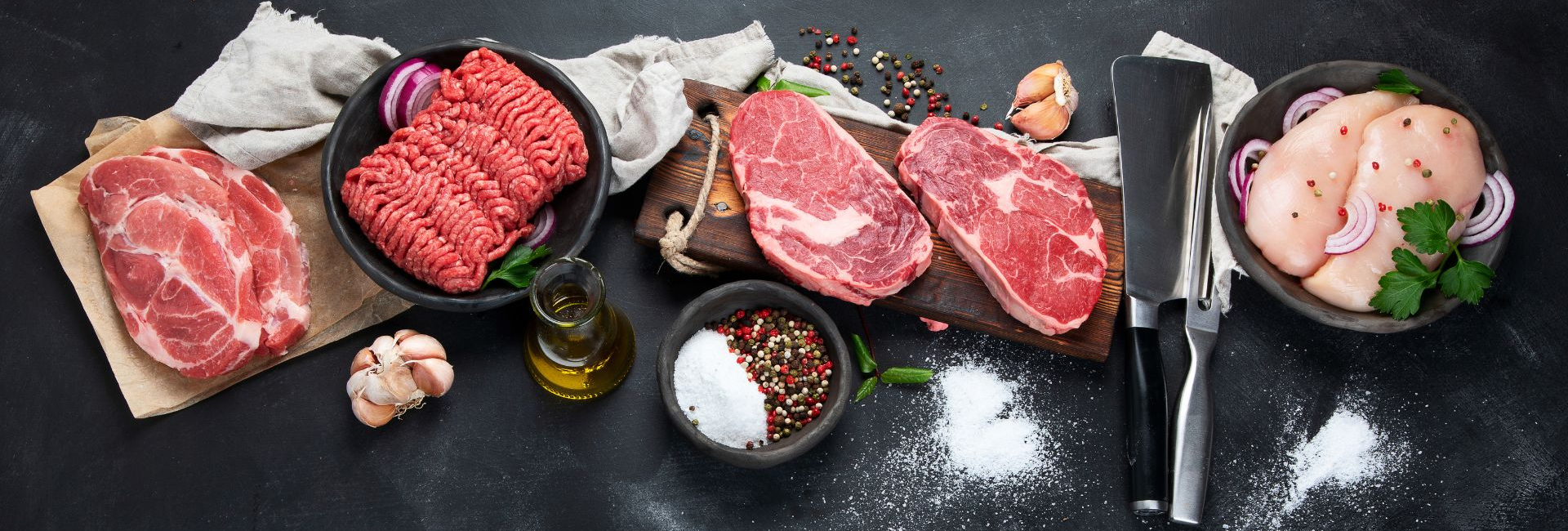
1. Look for good marbling: Those fine white flecks of fat within the meat (not just around it) are known as marbling. In beef especially, marbling adds flavour, tenderness, and juiciness. Grain-fed beef generally shows more marbling than grass-fed, but both can be high quality when raised and aged well.
2. Colour is key:
- Beef should be a vibrant, deep red – not dull, grey, or brown.
- Lamb typically has a lighter red hue with a creamy-white fat.
- Chicken should look pink and moist, not pale or dry.
3. Texture and firmness: Press the meat lightly – it should spring back and feel firm, not mushy or overly soft. Quality meat Cape Town customers trust tends to have that fresh, structured feel – never limp or overly wet.
4. Trust your nose (and your butcher): If meat smells sour, metallic, or just “off,” don’t buy it. Butchers worth their salt will be happy to talk through cut options, storage advice, and prep methods. Buying from a wholesaler like N1, known for high-quality Halaal certified meat, means you don’t have to second-guess what’s behind the counter.
Step Two: Don’t Ruin It in the Kitchen – Avoid These 5 Prep Mistakes
Even the best meat can be let down by poor prep. Here’s what we see (and taste) all too often:
1. Cooking straight from the fridge – or worse, the freezer: Letting meat rest at room temperature for 15–30 minutes helps it cook evenly. Frozen meat should be defrosted slowly in the refrigerator overnight – not on the counter, if possible.
2. Not patting the meat dry: Moisture on the surface prevents a proper sear. Use a paper towel to pat meat dry before braaing or pan-searing.
3. Using the wrong temperature: High-heat cooking is great for steaks – but not for tougher cuts that need low and slow (like brisket or oxtail). Know your cut, and match your method.
4. Over-seasoning or seasoning too early: Salt draws out moisture. If you’re braaing, salt just before the meat hits the heat. If marinating, use acidic ingredients sparingly – they can toughen certain cuts if left too long.
5. Cutting meat the wrong way: Slice against the grain to shorten muscle fibres and make every bite more tender. This is especially important with flank, skirt, or any leaner cuts.
Step Three: Butcher Tips to Get the Most from Every Cut
- Make friends with affordable cuts: Chuck, brisket, and shin are rich in flavour and shine in stews or slow cookers. With proper prep, they can outperform more expensive cuts – and stretch your margins too.
- Don’t waste the offcuts: Trimmed fat, bones, and offcuts make excellent stocks, gravies, and sauces – this is where you can save costs and add depth to your dishes.
- Rest your meat: Resting lets juices redistribute – meaning they stay in the meat, not on your cutting board. For steaks, 5–10 minutes is usually enough.
Buying good meat isn’t just about spending more – it’s about knowing what to look for and how to treat it. By spotting quality at the source and avoiding common prep mistakes, you get better flavour, better texture, and better value for money.
If you’re looking for quality meat in Cape Town and Johannesburg that’s responsibly sourced, expertly handled, and Halaal certified, N1 has you covered. Get in touch with our team today to order premium cuts from trusted Cape Town meat wholesalers – built for chefs, butcheries, and home cooks who care about quality.