

Food is part of our daily lives, and while we eat for sustenance, we also eat for the enjoyment of all the different tastes and textures; and for the experiences that go hand-in-hand with savouring a meal. Fortunately, for many of us, finding high-quality food is straightforward, particularly when looking for quality meat. South Africa’s favourite stores and meat wholesalers offer an impressive selection, including a variety of Halaal meat South Africa is renowned for. However, certain foods are beyond the realm of even the best local suppliers. These are foods so rare that acquiring them would require an extraordinary effort. Here are ten of these hard-to-acquire culinary gems.
1. Murnong (Southern Australia): A subterranean, radish-like root traditionally consumed by Aboriginal tribes in southeastern Australia. It was nearly extinct by the 1860s due to overgrazing by colonists' livestock but is now seeing a revival in Aboriginal community gardens and modern Australian cuisine.
2. Olotón Maize (Oaxaca State, Mexico): A unique type of corn with aerial roots for nitrogen-fixing, grown by the Indigenous Mixe people. Its rarity stems from its unusual growth characteristics and limited cultivation area.
3. Geechee Red Pea (Sapelo Island, Georgia, USA): A small, ruby-coloured heirloom legume integral to Gullah culture and cuisine. It's used in sustainable rice farming as a nitrogen-adding rotation crop but is endangered due to development and cultural shifts.
4. Skerpikjøt (Faroe Islands, Denmark): A dried and fermented mutton, a traditional delicacy prepared in the Faroe Islands. Its unique taste comes from the curing process in special sheds exposed to salty sea winds.
5. Shio-Katsuo (Nishiizu, Japan): A heavily salted and dried skipjack tuna, used as an offering to Shinto deities. Its preparation is intricate, involving the threading of golden rice stalks, and only one remaining individual produces it.
6. Kayinja Banana (Uganda): A versatile banana used in juices, beers, and traditional marriage ceremonies. It's part of the East African Highland bananas, with about 200 individual cultivars.
7. Salers Cheese (Auvergne, France): A raw milk cheese made from the milk of Salers cows. It's produced in the isolated Auvergne region and is known for its rich, nutty flavour.
8. Qvevri Wine (Georgia): Traditional Georgian wine fermented and aged in ancient terracotta vessels known as qvevri. The process is believed to result in pristine wine but is endangered due to industrialisation.
9. Ancient Forest Pu-Erh Tea (Xishuangbanna, China): A rare, fermented tea made from wild leaves in China's Yunnan province. It undergoes a minimalist processing approach, resulting in unique flavours.
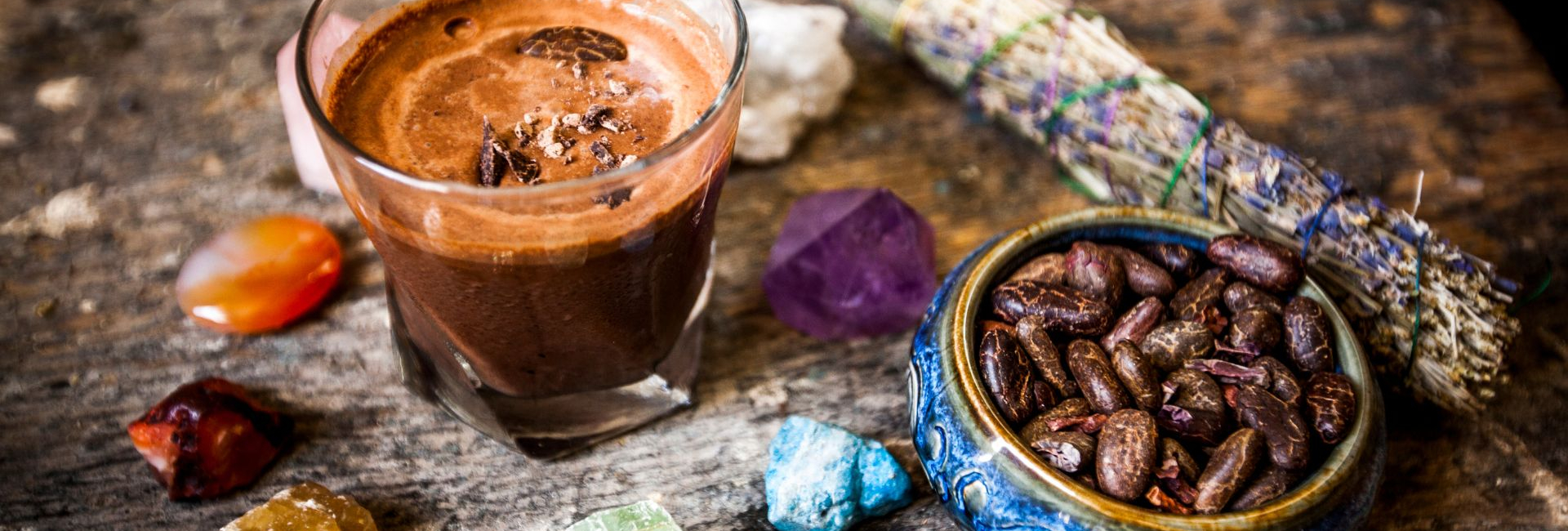
10. Criollo Cacao (Cumanacoa, Venezuela): Representing less than 5% of global cocoa production, this high-quality cacao is native to Central America and is cultivated in humid, tropical climates.
While N1 might not stock any of the items listed above, we do stock the best quality meat Cape Town and Johannesburg have to offer. So, while you may have to dream of Salers Cheese and Skerpikjøt; delicious steaks and a wide variety of other high-quality Halaal and non-Halaal meat products are simply a call away.