

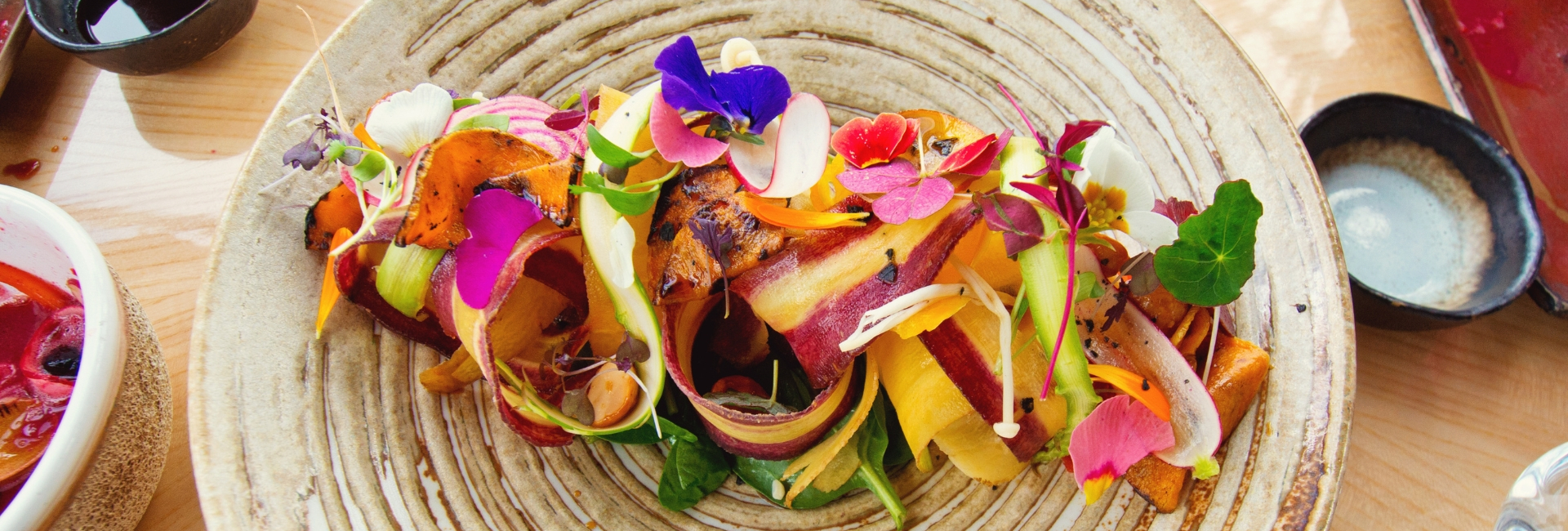
Eating is a multi-sensory experience – before you’ve taken your first bite, your eyes are already evaluating the aesthetic appeal of the dish, gauging tastiness based on formation, colour and texture. If you ‘eat with your eyes’ it stands to reason that when serving food, how you choose to present your dish is of the utmost importance. Here to provide a few guidelines in the quest for food excellence from start to served finish is N1, leading South African meat wholesalers.
1. Balance and Composition: The arrangement of food on a plate should exhibit balance and composition. Visual appeal is achieved by considering the size, colour, and shape of each component. Plating with a variety of textures and heights creates visual interest. For example, pairing a juicy protein with crispy vegetables or adding a dollop of sauce can provide a contrast of textures. The golden rule is to strike a balance between the elements, ensuring that no single component dominates the plate. This creates harmony and enhances the overall aesthetic.
2. Colour and Contrast: Colors evoke emotions and influence our perception of food. A visually striking plate can immediately stimulate our appetite. Incorporating a variety of vibrant colours adds depth and interest to the dish. For instance, pairing green asparagus with red cherry tomatoes or adding a sprinkle of fresh herbs on a creamy soup can elevate the visual appeal. Additionally, utilising contrasting colours, such as a bright sauce on a neutral background, creates visual impact and draws attention to the focal point of the dish.
3. Presentation Techniques: Implementing various presentation techniques can elevate the visual appeal of a dish. Here are a few popular techniques:
- Layering: Building layers of ingredients allows for a visually appealing cross-section when the dish is cut or served.
- Stacking: Carefully arranging components vertically creates height, making the plate more visually dynamic.
- Drizzling and Swirling: Skillfully drizzling or swirling sauces or coulis on the plate adds artistic flair and complements the overall composition.
- Garnishing: Thoughtfully placed garnishes, such as microgreens, edible flowers, or citrus zest, can add a touch of elegance and freshness.
4. Plate Selection: Choosing the right plate can significantly impact the overall presentation of the dish. Consider the colour, shape, and size of the plate in relation to the food being served. White or neutral-toned plates are commonly preferred, as they allow the colours of the food to pop. Plates with defined rims can provide a frame for the dish, while irregularly shaped plates can add a contemporary touch. Additionally, negative space on the plate can help create a sense of balance and highlight the main components.
5. Attention to Detail: Paying attention to even the smallest details can make a substantial difference in the overall aesthetic of the plate. Wiping any smudges or spills on the plate ensures cleanliness. Additionally, tidying up the plate's edges and ensuring the presentation is neat and organised creates a professional and polished appearance.
While taste remains paramount, plating up food correctly is essential to create a visually appealing and appetising experience. A beautifully plated dish not only satisfies the palate but also captivates the eyes, leaving a lasting impression on those fortunate enough to enjoy it.
