We all know how essential iron is – it helps to circulate oxygen throughout our body; it makes other proteins which are necessary for respiration and energy metabolism; and it assists in optimising our immune system. Around 70% of our body’s iron can be found in haemoglobin and myoglobin – the former is found in red blood cells, the latter in muscles.
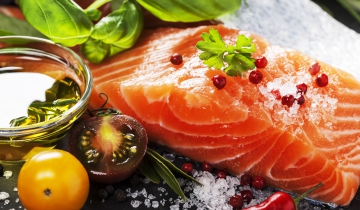
Our bodies cannot naturally produce iron so we have to absorb it through the food we eat. Excellent sources of iron are meat and fish – all of which can be found at N1 who offer a wide range of high-quality non-Halal and Halaal certified meat as well as Halaal fish. Men generally require 8 milligrams of iron per day, while women of child-bearing age require 18 milligrams. According to WebMD the best source of iron-rich meat or fish is 85 grams of beef or chicken liver; clams, molluscs or mussels; and oysters – these provide 3.5 milligrams of iron per serving. The next best source providing 2.1 milligrams of iron per 85 grams is cooked beef, canned sardines, and cooked turkey. And then providing 0.7 milligrams per portion is chicken, most forms of fish – all fish is considered Halaal – ham, and veal.
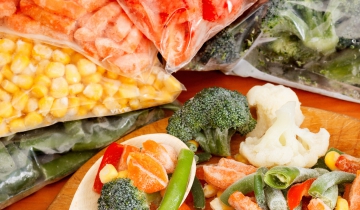
As with most things concerning essential nutrients, there are foods that help and others that hinder the absorption of iron. The vitamin C found in a variety of vegetables, especially broccoli and peppers – which can be found in the N1 range of wholesale frozen vegetables – are an excellent way to boost the absorption of dietary iron. Inhibitors on the other hand such as dairy products, soy, cereals, tea and coffee prevent gastric acid from lowering the PH level in our stomachs which in turn aids iron solubility and absorption. Also affecting absorption is the source of dietary iron – heme iron found in meat and fish, or nonheme iron found in plant-based foods. While both are sources of iron, the former found in meat and fish is more easily absorbed by the body.
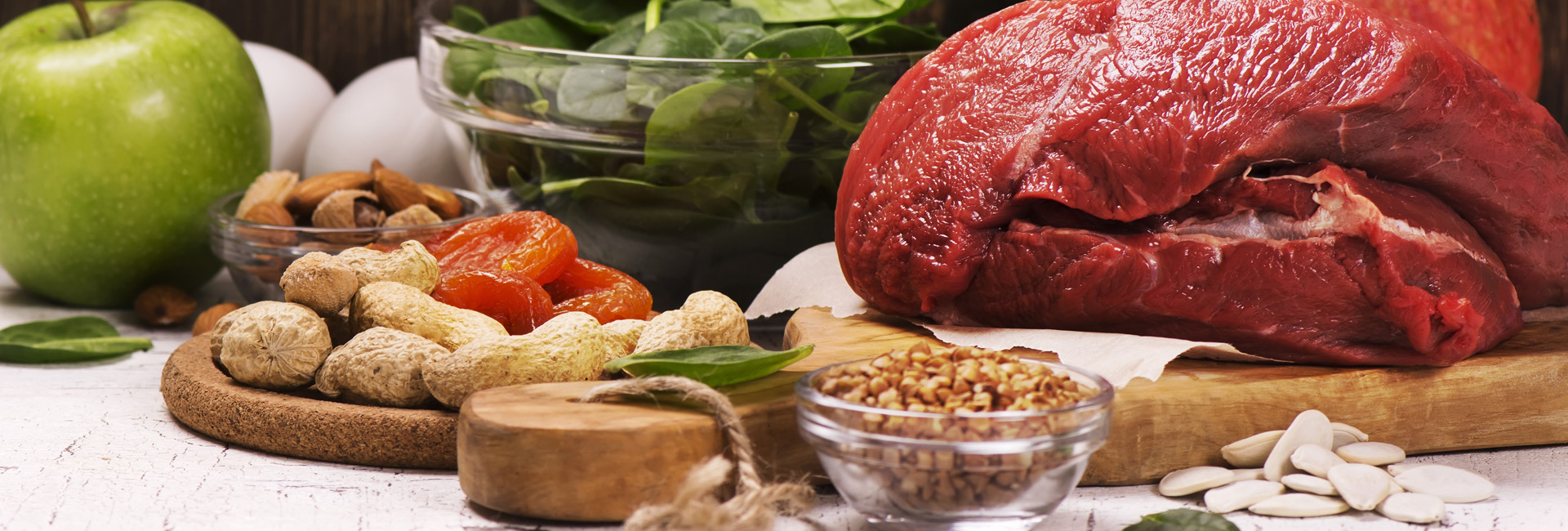
When our bodies struggle with iron deficiency it can manifest in sluggishness and extreme fatigue, other symptoms include shortness of breath, a greater risk of infection and increased headaches. The best way to avoid iron deficiency is to include iron-rich foods in your daily diet – the red meat, poultry and fish mentioned earlier, along with dark green leafy vegetables and eggs. Call South African meat wholesalers, N1 today for more on their quality Halaal and non-Halaal food products.