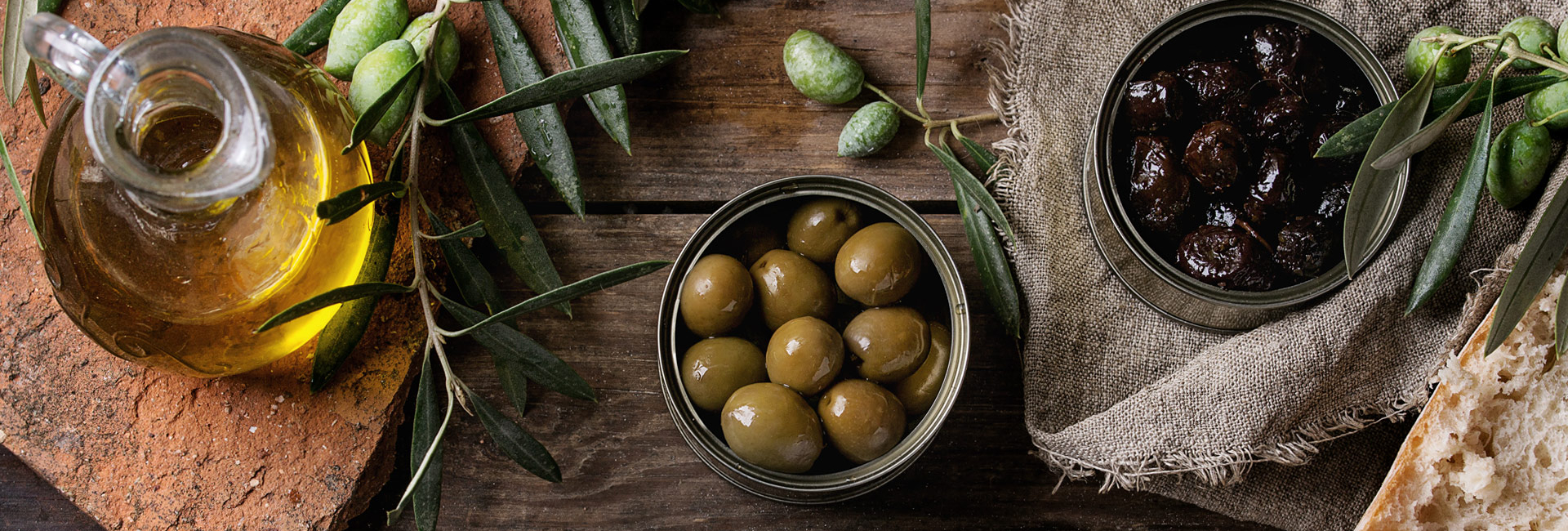
Fossil evidence suggests that the olive tree dates back some 20-40 million years ago in the area that is today known as Italy. It was first cultivated around 7,000 years ago; it’s been around as food for around 6,000 years; and it was first grown commercially in Crete around 3000 BC. Today a multi-billion dollar industry, there are, according to the International Olive Council, an estimated 865 million olive trees in the world.
When we think of olives, we tend to think mostly of its oil, something which naturally features heavily in the Mediterranean diet well known for its health benefits – the Greeks, Italians and Spanish are said to consume around 13 litres of olive oil per year as opposed to their British and American counterparts who only consume around 1 litre. While many of us enjoy our olive oil, Greek salad, Tapenade and dare we say it – martinis; you will definitely want to incorporate more olives in your diet after reading these health benefits, courtesy of the SA Olive Industry Association and Health24:
- Olive oil contains high levels (65 – 85%) of monounsaturated fatty acids which maintain the healthiest cholesterol balance – this is more than most cooking oils. A healthy cholesterol balance protects the heart and arteries from plaque build-up.
- The high levels of polyphenols in Extra Virgin Olive Oil are strongly antioxidant and fight the free radicals in our bodies. Excess free radicals cause oxidative stress and have been linked to many forms of cancer. The antioxidants also maintain the integrity of the oil by protecting it from oxidation.
- Olives reduce the effects of degenerative diseases like Alzheimer's, benign and malignant tumours, including less serious varicose veins and cavities.
- Olives prevent blood clots that could lead to a myocardial infarction or deep vein thrombosis (DVT).
- Extra Virgin Olive Oil is rich in vitamins E, A, D and K – vitamin E is a powerful antioxidant.
- Olives are nutritious and rich in mineral content such as sodium, potassium, iron, magnesium, phosphorus and iodine. They are a great protection against anaemia – just one cup of olives provides 4.4 mg of iron.
- Olives are also an excellent source of dietary fibre as an alternative to fruits and vegetables.
In addition to all this, they taste fantastic too. So, if you don’t already do so, be sure to include them in more of your meals, from serving them up in their natural state as easy nutritious snacks to including them in your salads or making tomato and olive braai bread – their versatility is quite simply endless!