We all know that Omega fatty acids are essential for our bodies, but the different types, the role they play, and how to get the balance right can sometimes be overwhelming. So, if you’re a little lost in the fatty acids world, here – with the help of trusted source, Authority Nutrition – is a handy Omega overview to help you get it right.
Omega-3
- These are polyunsaturated fats which our bodies cannot make on their own – hence the name, ‘essential fats’, because we have to get them from our diet.
- There are many types, but the three most common are Eicosapentaenoic acid (EPA) instrumental in fighting inflammation and depression; Docosahexaenoic acid (DHA) important for brain development and function; and Alpha-linolenic acid (ALA) used by the body for energy.
- The presence of Omega-3s in the body is crucial for optimal function – they can help improve heart health, support mental health, reduce weight and waist size, decrease liver fat, support infant brain development, fight inflammation, prevent dementia, promote bone health, and prevent asthma.
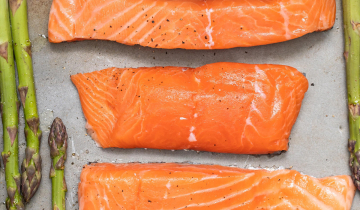
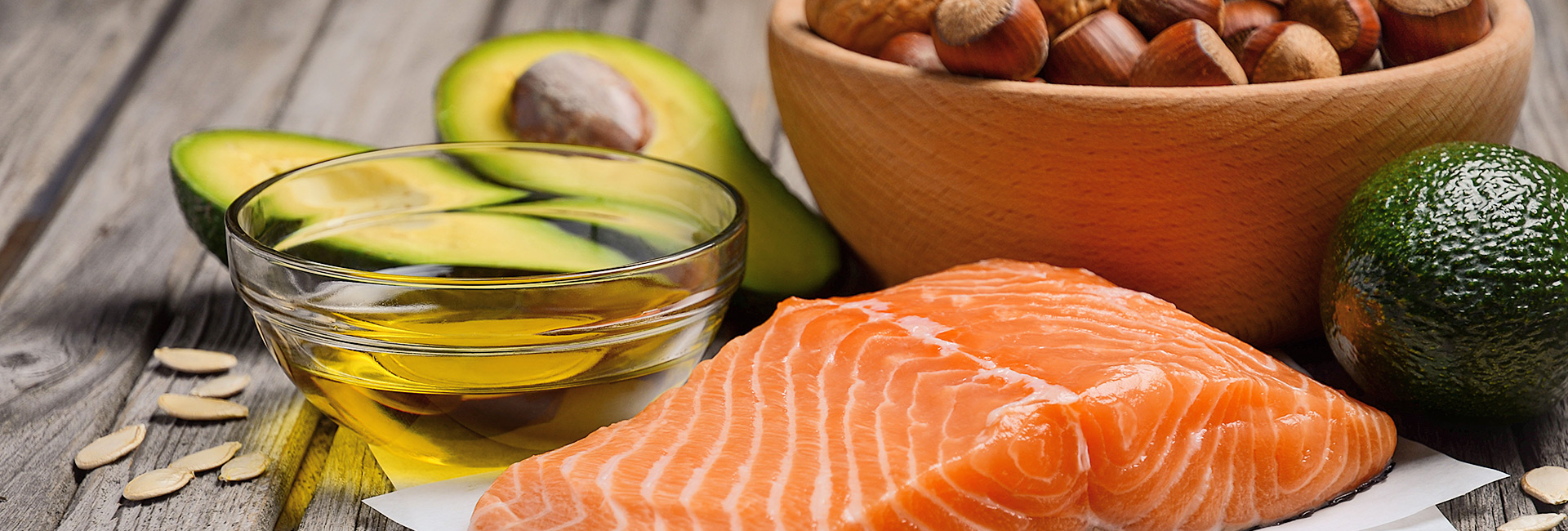
- The World Health Organisation (WHO) recommends that we eat at least two portions of oily Halaal fish per week which is rich in particularly the omega-3s EPA and DHA – other sources of ALA include flax seeds, chia seeds, walnuts and soybeans.
Omega-6
- Similar to Omega-3s, these are also polyunsaturated fatty acids not produced naturally by our bodies and therefore dependant on diet for intake, but the big difference here is that we typically consume too much Omega-6 which can have a counterproductive effect on our bodies.
- While used primarily for energy and also important for the immune system, too much Omega-6 can actually increase our risk of inflammation and inflammatory disease.
- The balance between Omega-3 and Omega-6 intake is essential – the recommended ratio is 1:4 or less, but our Western diet sees us consuming somewhere between 1:10 and 1:50.
- One of the best ways to decrease our Omega-6 intake is to avoid processed vegetable oils – especially sunflower, corn, soybean and cottonseed oil – along with any processed foods that contain them.
Omega-9
- These are monounsaturated fatty acids and they are produced naturally by the body so they are not classified as ‘essential fats’.
- While abundant in our bodies, consuming foods rich in Omega-9 instead of other fats may have beneficial health effects – studies have shown that in certain cases high intakes have helped reduce cholesterol levels, improve insulin sensitivity and reduce inflammation.
- Omega-9s are common in certain vegetable oils especially olive, cashew, almond, avocado, and peanut oil; and in certain nuts especially almonds, cashews and walnuts.
While all three fatty acids are important, it’s clear to see that the Omega-3 found in oily Halaal fish is the most important and typically the most under-consumed in our diet, so the best thing to do for optimal fatty acid health is to reduce certain vegetable oil consumption, up your fish intake and use olive oil wherever you can.