We all know things have been pretty dire with regards water availability in South Africa, but hardest hit at the moment is the Western Cape with Level 3B Water Restrictions instituted on 1 February – if you’re in any doubt as to what that entails, click through to the city of Cape Town’s page to read more. While citizens and businesses alike are all doing their bit to conserve water, the team at N1 – leading Cape Town meat wholesalers – want to remind you that there are also a few water-wise cooking tips you can follow that will help minimise usage. By making a few small changes to the way we work in our kitchens we can reduce our water consumption and make the most of what we do use.
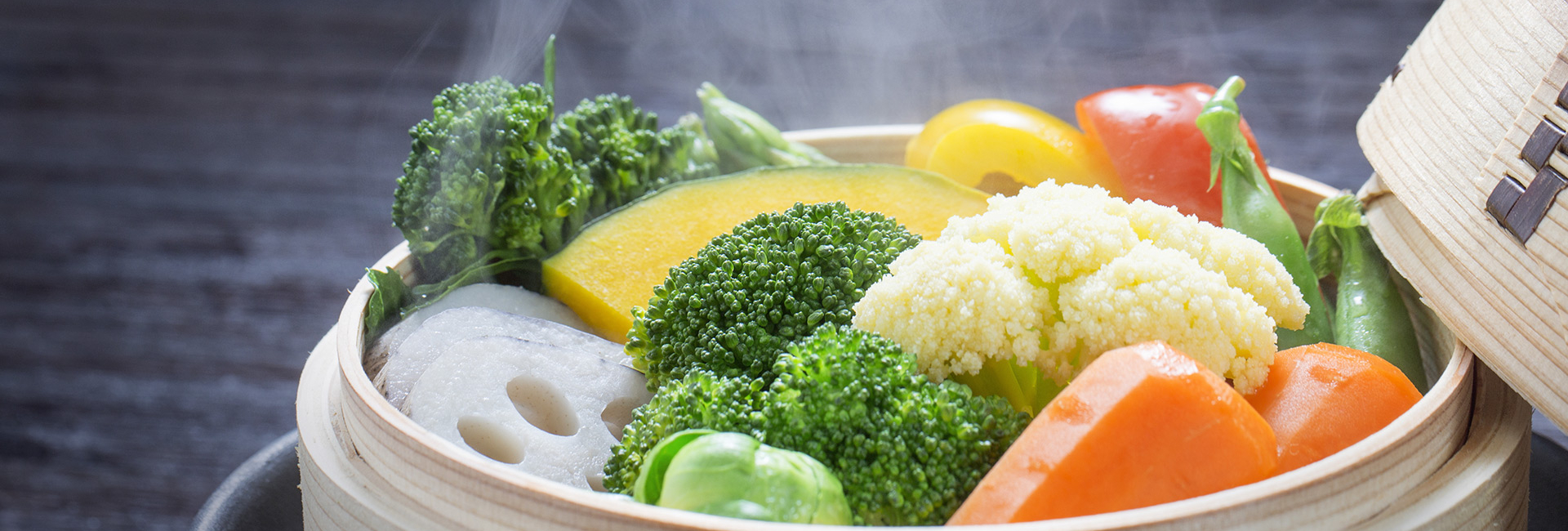
Steam your vegetables rather than boil them – steaming uses only a fraction of the amount of water, and it’s a much healthier option. Steamed vegetables retain more nutrients than boiled food; in fact, a Chinese study in 2009 conducted on different cooking methods and broccoli, determined that steaming resulted in less Vitamin C and protein loss than any other cooking method.
Peel rather than rinse your vegetables – it’s so automatic to open the tap and rinse our carrots or potatoes under running water, but fight the urge and let your peeler do most of the work first. By stripping the outer layer, you’re stripping away most of the dirt anyway. Or better yet, opt for frozen vegetables which are already prepped, portioned and ready to cook.
Catch all kitchen water in basins – whether it’s to rinse the fruit and vegetables that you aren’t able to peel clean, or whether it’s to soak a few dirty dishes, be sure to catch all your kitchen water in a bowl or plastic basin wherever possible. It allows you to reuse the water multiple times and when you’re done with it, it can ultimately join your grey water distribution system – you’ll be amazed how much water you can save and better-utilise this way.
Waterless defrosting – although frozen meat will thaw quickly in cold water, it’s wasting litres of water; it’s far better to plan ahead and let frozen food defrost in the fridge. It might take longer – a large frozen item like a whole chicken or lamb shoulder requires at least 24 hours – but it’s the best and safest way to defrost your meat at a consistent temperature. And another benefit is that if plans change and you choose not to cook the food immediately, you have a grace period of between one to three days (depending on the meat cut) after the item has defrosted before you have to use it.
There’s an old Chinese Proverb that says ‘the man who removes a mountain, begins by carrying away small stones’ – well our mountain is our dangerously low dam levels, and our small stones are each and every drop of water we manage to save, so here’s to surviving the dry summer months and may we be blessed with the wettest Western Cape winter on record.