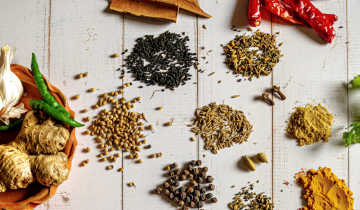
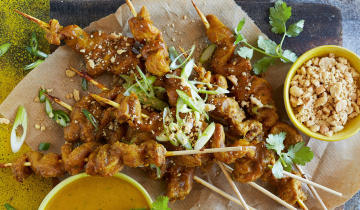
In the last blog, Food Trends in 2017, we dealt with Food Insight’s Food and Nutrition Trends for the new year; this time we take a closer look at what their predictions are regarding spices. More and more people are looking at experimenting with different tastes, and spices are an excellent way of adding flavour. The spices they see becoming a lot more popular in 2017 come from across the globe – some are old favourites and some are tantalisingly new tastes to explore.
Dukkah – a firm favourite for quite a while now, it seems that this spice is here to stay. Originally from Egypt, dukkah is a combination of toasted nuts, sesame seeds, coriander and cumin. It can be used as a rub when cooking meat and fish, and is often also served as a dip with bread at the start of a meal.
Garam Masala – all respectable curry lovers know the charm of this spice. A combination of cinnamon, nutmeg, cloves, cardamom, mace (a pungent sweet spice related to nutmeg), peppercorns, coriander and cumin; garam masala is usually added to further enhance the taste of various curry dishes, but it can also be used on its own with different meats and vegetables.
Togarashi – coming from Japan, and originally valued as an herbal medicine, this spicy combination of chilli peppers, seeds, dried citrus peel, ginger, garlic and seaweed (nori) can be sprinkled over chicken and pork, and enjoyed on rice if you’re looking to add an extra kick of flavour to an otherwise bland side-dish.
Quatre Epices – this time originating from France – the home of gastronomy – this is a blend of peppercorns, nutmeg, cloves, cinnamon and ginger. Considered a staple spice in France, it is typically used in soups, stews, sausages and pâtés.
Makrut Lime Leaves – found in Southeast Asia, it’s usually the leaves of the makrut that are used for cooking. Giving off a heady citrus flavour, the lime leaves impart a zesty fragrance to most Thai, Cambodian and Vietnamese dishes. The zest is also added to infused rums in Creole cuisine to enhance flavour.
Khmeli Suneli – a traditional spice from Georgia (the country in Eurasia) it includes fenugreek seeds and leaves, coriander and black peppercorns. It is most often used in stews and meat dishes, but is also said to add depth and flavour to roasted vegetables.
Za’atar – originating in the Middle East, this spice combines thyme, toasted sesame seeds, sumac (a versatile spice with a tangy lemony flavour) and salt; and is delicious when used as a dipping spice with bread, similar to dukkah. It can also be sprinkled on hummus and used as a seasoning for meat and vegetables.
And that concludes Food Insight’s ‘what’s hot in 2017’ prediction. Regardless of whether these spices become household names or not, undisputed is that the world would be a dreary place without spice, which is why N1 use only the best spices, masterfully blended and prepared exclusively for them, to ensure you enjoy the tastiest food possible. Contact the team at N1 today for the best in quality, service and delivery, always.