

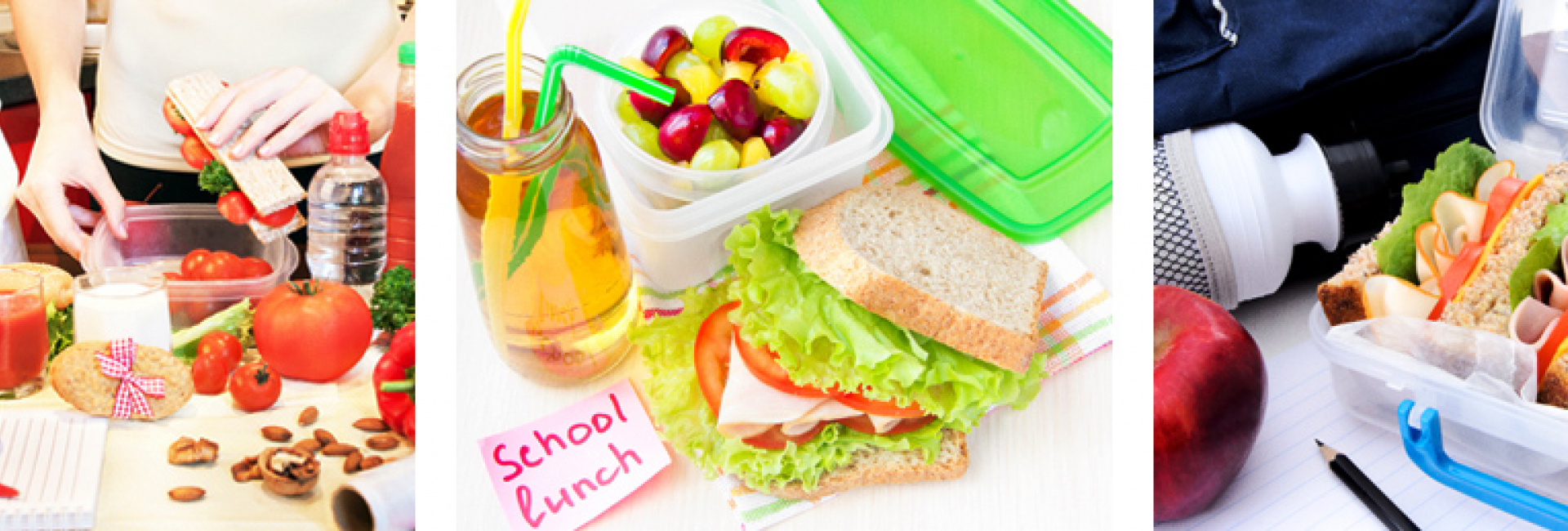
Hard to believe I know, but it’s that time of the year again – the summer holidays are nearly over (children unite in dismay) and we (parents unite in elation) start preparing ourselves mentally and physically for the ‘back to school’ routine. Imperative to our children’s well-being is their diet and if one considers how much time they spend at school, it’s obvious to see why what we put in their lunch boxes has a huge impact on their health and performance.
Jamie Oliver, a long-standing and vocal advocate of healthy school lunches, in 2010 launched the Food Revolution, a campaign to better educate, inspire and empower people in their fight against obesity – a staggering 43 million children under the age of five are overweight or obese, while 95% of UK children don’t get their five portions of fruit and vegetables a day. While many of our schools don’t have the same cafeteria set-up as seen in the UK and USA, the same healthy rules should apply when it comes to preparing our children’s lunches.
Ban the Junk
The children who eat chips and sweets, and drink sodas are not getting the nutrition they need to grow and learn properly. They are also not learning how to make healthy and nutritious decisions which will only be to their detriment when they’re older and have to make those decisions for themselves. While the odd treat is perfectly acceptable, these kinds of food should not form the basis, or be a regular component, of their school lunch. And don’t think flavoured milk is free from the junk label – a 250ml cup of flavoured milk contains four additional spoons of sugar, that’s over and above the three teaspoons of natural sugar already present in milk.
Fresh Food is Best
Fresh and raw ingredients should form the basis of all packed lunches. Real and whole food that you prepare yourself does not need additives, preservatives or anything artificial added that might compromise its nutritional benefit. Ensure that any packed lunch always contains two or three portions of diced vegetables and fruit. Encourage picky eaters to enjoy their veggies by adding a dipping sauce for their carrots or cucumber, or assembling a fruit and cheese kebab.
Make it Interesting
As with an adult, so much of a child’s appreciation for food begins with its presentation. If they open their lunch box and it resembles a treasure chest full of little containers all containing different colours of diced and ready to eat fresh food, a cheese and cold meat sandwich cut into fun shapes, their favourite full cream yoghurt pot and a small oatmeal cookie as a healthy treat; the chances are they will be more inclined to eat the healthy offering with relish.
Exercise Portion Control
Yes our children burn off a lot of energy during their school day – particularly our little ones – and while they need extra nourishment to replenish their systems, we should be careful not to supersize their portions. Not only will exercising portion control help to keep our children at a healthy weight, but it also reduces waste. For more on what constitutes a healthy meal and relevant portion sizes, have a look at choosemyplate.gov – a ‘make healthier food choices’ initiative begun by the Obama presidency in 2011.
And last, but most definitely not least: Remember the Water. Children are more at risk of becoming dehydrated than adults, so be sure to include a water bottle along with their lunch box. While they might prefer juice, flavoured milk or sports drinks, these all contain far too much sugar so encourage them to drink water throughout their school day to ensure they remain properly hydrated – especially during our hot summer months.